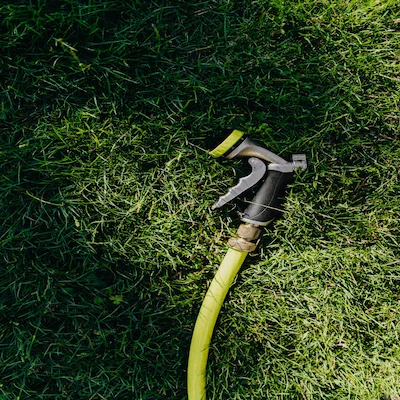
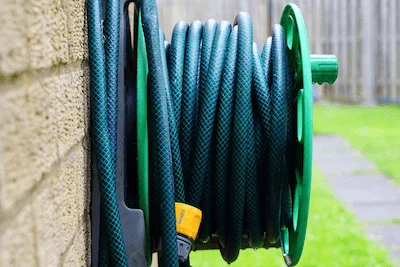
Understanding Hoses in Fluid Transfer Systems
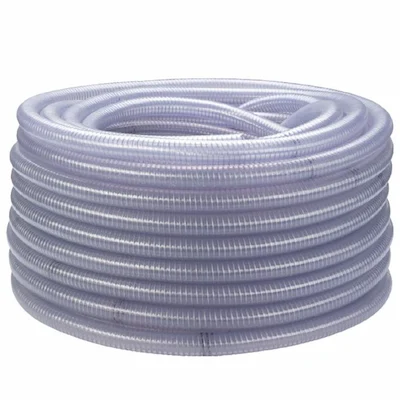
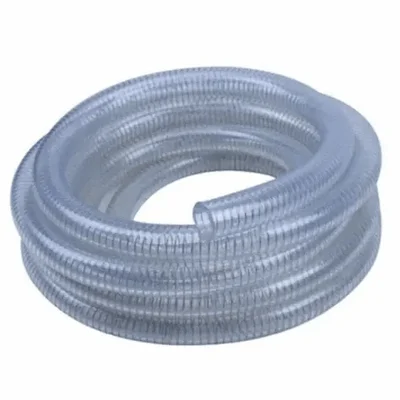
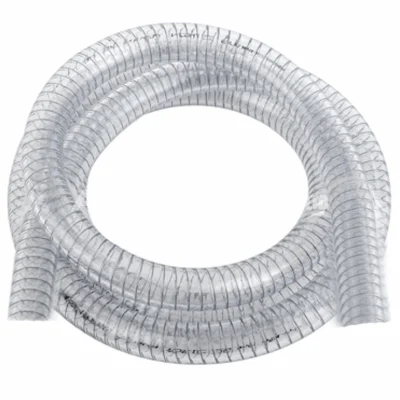
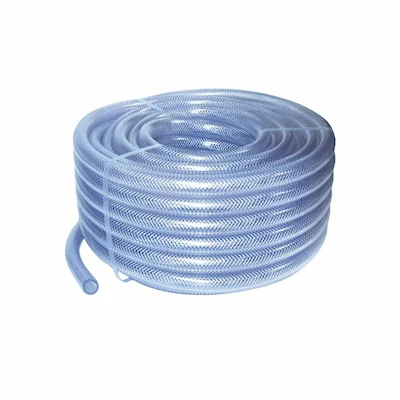
Hoses are flexible piping components designed to convey liquids, gases, and other materials in a wide range of applications. These essential components allow for movement, vibration absorption, and routing flexibility in fluid transfer systems. From industrial hydraulic hoses to garden watering hoses and specialized chemical transfer lines, hoses serve critical functions across numerous industries. This comprehensive guide explores hose types, materials, sizing considerations, pressure ratings, and their diverse applications in commercial, industrial, and residential settings.
Hose Key Specifications
Proper hose selection requires understanding these critical parameters that determine performance in various applications.
| Specification | Description | Considerations |
|---|---|---|
| Diameter | Inside diameter (ID) and outside diameter (OD) measurements | Affects flow rate and compatibility with fittings |
| Pressure Rating | Maximum working pressure (PSI/Bar) at specified temperatures | Must exceed system requirements with safety margin |
| Temperature Range | Minimum and maximum operating temperatures | Must accommodate fluid and environmental temperatures |
| Material Compatibility | Chemical resistance to conveyed media and environment | Prevents degradation and contamination |
| Construction | Number of layers, reinforcement type (braid, spiral, textile) | Determines flexibility, kink resistance, and durability |
| Bend Radius | Minimum radius hose can bend without damage | Important for routing in confined spaces |
| Electrical Properties | Conductive, anti-static, or insulating characteristics | Critical for flammable or electrical applications |
| Length | Standard or custom cut lengths | Affects pressure drop and installation requirements |
Hose Installation & Maintenance
Proper installation and maintenance practices ensure hoses perform reliably throughout their service life.
Proper Routing
Ensure hoses are routed to avoid sharp bends, kinks, and abrasion points.
- Warning: Avoid routing near hot surfaces or moving parts
- Tip: Use clamps and supports at regular intervals
End Connection Installation
Properly install fittings using correct techniques for the hose type.
- Action: Use proper crimping/swaging tools for hydraulic hoses
- Tip: Ensure proper insertion depth for barbed fittings
Pressure Testing
Test newly installed hoses to verify integrity before full operation.
- Warning: Follow all safety protocols for pressure testing
- Solution: Test to 1.5x working pressure when possible
Regular Inspection
Check for leaks, cracks, abrasion, or other damage during routine maintenance.
- Frequency: Monthly for critical applications, quarterly for others
- Check for: Bulges, soft spots, or exposed reinforcement
Storage Practices
Store unused hoses properly to prevent premature aging and damage.
- Benefit: Extends shelf life and maintains flexibility
- Safety First: Keep away from ozone sources and direct sunlight
Replacement Schedule
Replace hoses according to manufacturer recommendations or condition.
- Action: Mark installation date on hose for tracking
- Note: Replace immediately if any signs of failure appear
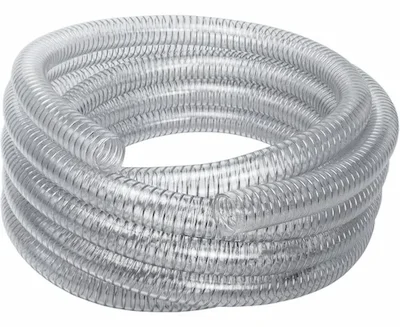
Hose Display
Common Hose Applications