Understanding Diaphragms in Mechanical Systems
Diaphragms are flexible membranes that serve as critical components in numerous mechanical systems, providing separation, pressure regulation, and actuation functions. These precision elements convert pressure differentials into mechanical motion or create selective barriers between media. From pump diaphragms to pressure regulators and acoustic devices, diaphragm technology enables precise control in industries ranging from medical equipment to industrial automation. This comprehensive guide explores diaphragm types, materials, design considerations, and their diverse applications across engineering systems.
Diaphragm Key Specifications
Proper diaphragm selection requires understanding these critical parameters that determine performance and longevity.
| Specification | Description | Considerations |
|---|---|---|
| Material | Rubber, metal, PTFE, composites, or specialty polymers | Must be compatible with media and operating conditions |
| Diameter/Size | Active surface area dimensions | Affects force output and displacement capacity |
| Thickness | Typically 0.1mm to 5mm depending on application | Balances flexibility with strength and durability |
| Pressure Range | Minimum/maximum operating pressures | Must accommodate system requirements with safety margin |
| Temperature Range | Minimum/maximum operating temperatures | Must maintain properties across expected conditions |
| Deflection | Maximum allowable displacement without damage | Critical for actuator and pump applications |
| Cycle Life | Expected flex cycles before failure | Varies from thousands to millions depending on design |
| Chemical Compatibility | Resistance to specific fluids and environments | Prevents degradation and failure |
Diaphragm Installation & Maintenance
Proper installation and maintenance practices ensure diaphragms perform reliably throughout their service life.
Proper Seating
Ensure correct alignment and seating in housing.
- Warning: Misalignment causes premature failure
- Tip: Clean mating surfaces before installation
Fastening Torque
Apply proper torque to clamping hardware.
- Action: Follow manufacturer's torque specifications
- Tip: Use crisscross pattern for even compression
Pressure Testing
Verify integrity before full operation.
- Warning: Never exceed maximum rated pressure
- Solution: Gradually increase pressure during testing
Regular Inspection
Check for cracks, hardening, or deformation.
- Frequency: Quarterly for critical applications
- Check for: Leaks, reduced performance, or visible damage
Chemical Exposure
Monitor for material degradation.
- Benefit: Prevents unexpected failures
- Safety First: Replace at first signs of swelling/cracking
Preventive Replacement
Follow manufacturer's recommended service intervals.
- Action: Keep spare diaphragms for critical systems
- Note: Document replacement dates for tracking
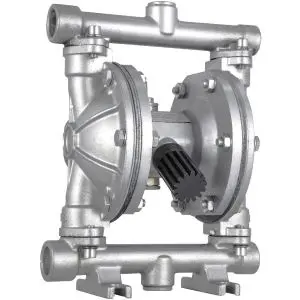
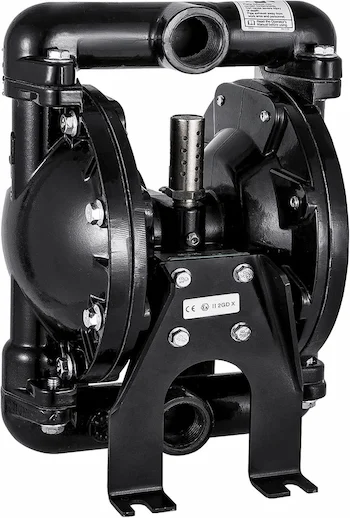
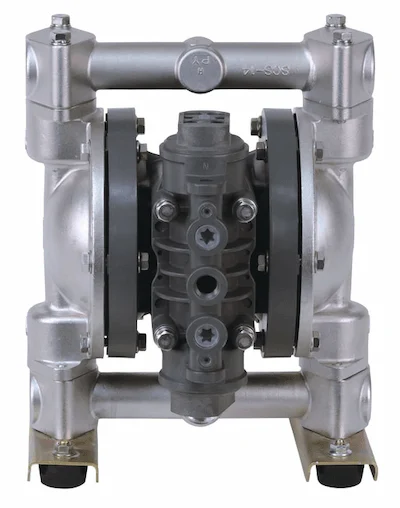
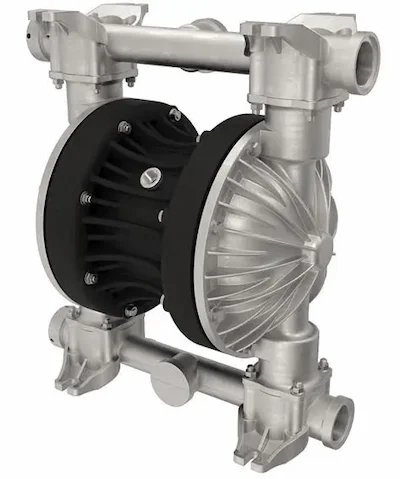
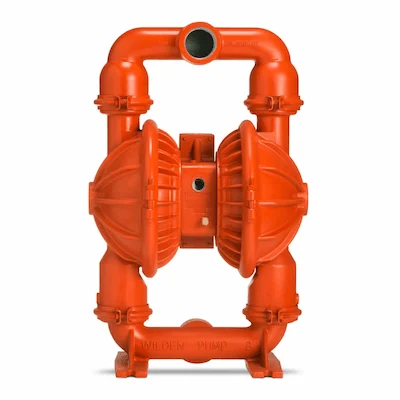
Diaphragm Display
Common Diaphragm Applications