Understanding Pipe Cutters in Plumbing and Construction
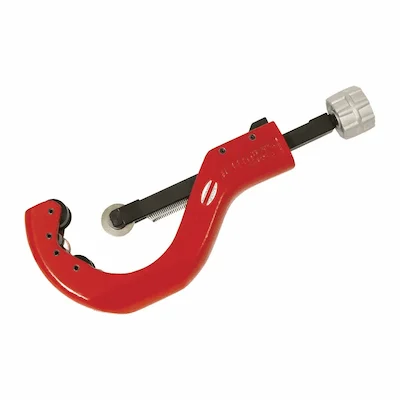
Pipe cutters are specialized tools designed to create clean, precise cuts in various pipe materials with minimal deformation. These essential tools enable efficient pipe preparation for plumbing, HVAC, and industrial applications. From compact tubing cutters to heavy-duty ratcheting models and powered cutting machines, pipe cutting technology serves critical functions in installation, repair, and maintenance operations. This comprehensive guide explores pipe cutter types, cutting mechanisms, material compatibility, and professional techniques for optimal results.
Pipe Cutter Key Specifications
Proper pipe cutter selection requires understanding these critical parameters that determine performance on different pipe materials.
| Specification | Description | Considerations |
|---|---|---|
| Pipe Size Range | Minimum and maximum diameter capacity (1/8" to 12"+) | Must accommodate all required pipe sizes in application |
| Material Compatibility | Copper, steel, PVC, PEX, or multi-material capability | Cutting wheel composition must match pipe material |
| Cutting Mechanism | Rotary wheel, ratcheting, scissor, or chain designs | Determines effort required and cut quality |
| Cut Quality | Smoothness of cut edge and minimal burr formation | Critical for proper joint formation in plumbing |
| Operation Type | Manual, electric, or hydraulic power options | Matches frequency of use and pipe wall thickness |
| Cutting Depth | Ability to cut in confined spaces or against walls | Important for retrofit and repair applications |
| Blade/Wheel Material | Carbon steel, tungsten carbide, or diamond-coated | Affects durability and sharpness retention |
| Ergonomics | Weight, grip comfort, and required operating force | Critical for user fatigue during repetitive cuts |
Pipe Cutting Techniques & Best Practices
Proper cutting techniques ensure clean, precise cuts while maximizing tool life and safety.
Measurement & Marking
Accurately measure and mark cut lines before cutting.
- Warning: Double-check measurements to avoid waste
- Tip: Use a pipe wrap-around marker for square cuts
Rotary Cutter Technique
Apply even pressure and rotate smoothly around pipe.
- Action: Tighten adjustment screw gradually
- Tip: Make complete rotations - don't rock the cutter
Deburring
Remove all internal and external burrs after cutting.
- Warning: Burrs cause turbulence and trap debris
- Solution: Use proper reamer or deburring tool
Plastic Pipe Cutting
Use specialized cutters to prevent crushing or distortion.
- Frequency: Replace blades when cuts become ragged
- Check for: Smooth, square cuts without deformation
Safety Practices
Wear appropriate PPE and secure workpieces.
- Benefit: Prevents injuries from sharp edges
- Safety First: Wear gloves and eye protection
Tool Maintenance
Clean and lubricate cutters after use.
- Action: Keep cutting wheels free of debris
- Note: Store in dry place to prevent rust
Cutter Display
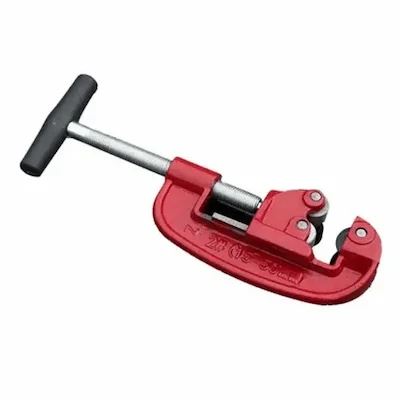
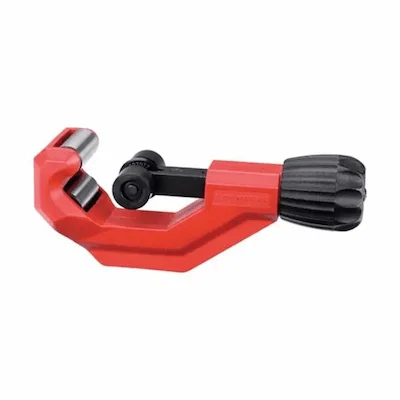
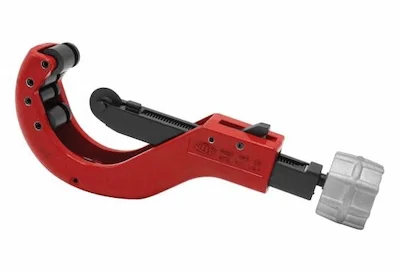
Pipe cutters Applications