Understanding Pressure Gauges in Industrial Systems
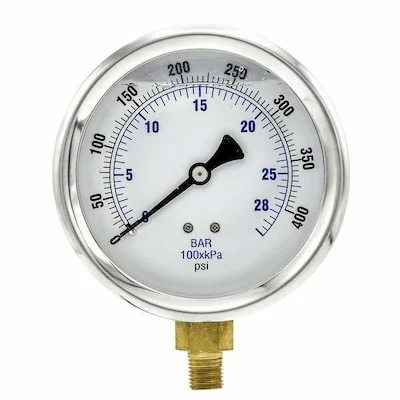
Pressure gauges are precision instruments designed to measure and display system pressure in various industrial applications. These essential monitoring devices come in different types including bourdon tube, diaphragm, capsule, and digital gauges, each suited for specific pressure ranges and environments. From oil and gas operations to chemical processing and HVAC systems, pressure gauges serve critical functions in process control and safety. This comprehensive guide explores pressure gauge types, measurement principles, accuracy classes, materials, installation methods, and their diverse applications across industries.
Pressure Gauge Key Specifications
Proper pressure gauge selection requires understanding these critical parameters that determine performance in various applications.
| Specification | Description | Considerations |
|---|---|---|
| Pressure Range | Measurement range (typically psi, bar, kPa, etc.) | Should be 2x normal operating pressure for best accuracy |
| Size | Dial diameter (1.5" to 16" common) | Determines readability and installation space |
| Accuracy Class | Percentage of full scale (0.1% to 5% typical) | Higher accuracy needed for critical measurements |
| Material Compatibility | Wetted materials resistance to media | Prevents corrosion and ensures long-term reliability |
| Connection Type | Threaded, flanged, or sanitary connections | Must match existing system connections |
| Temperature Range | Operating and ambient temperature limits | Affects material selection and accuracy |
| Safety Features | Overpressure protection, blowout back | Critical for hazardous media or high pressures |
| Standards Compliance | ASME B40.100, EN 837, or other standards | Ensures quality and safety compliance |
Pressure Gauge Installation & Maintenance
Proper installation and maintenance practices ensure pressure gauges provide accurate, reliable measurements throughout their service life.
Proper Installation
Install gauges according to manufacturer specifications.
- Warning: Avoid over-tightening connections
- Tip: Use thread sealant appropriate for the media
Pulsation Dampening
Install dampeners for pulsating media.
- Action: Required for pumps and compressors
- Tip: Consider snubbers for extreme pulsation
Calibration
Regular calibration ensures measurement accuracy.
- Warning: Follow calibration procedures exactly
- Solution: Annual calibration recommended
Regular Inspection
Check for leaks, damage, or measurement drift.
- Frequency: Monthly for critical applications
- Check for: Needle sticking, fogging, or zero shift
Temperature Effects
Consider ambient temperature impacts.
- Benefit: Remote mounting for extreme temps
- Safety First: Use gauges with liquid filling in cold climates
Replacement
Replace gauges showing signs of wear or inaccuracy.
- Action: Keep spare gauges for critical processes
- Note: Replace after pressure spikes exceed 25% of range
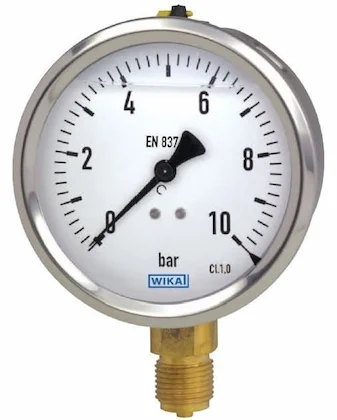
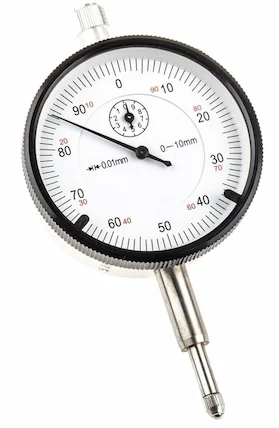
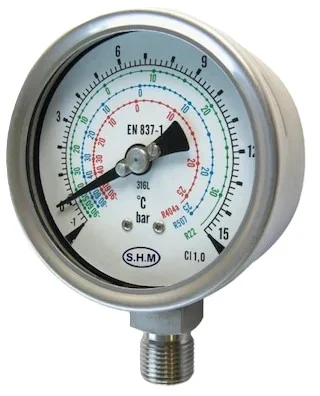
Pressure Gauge Display
Common Pressure Gauge Applications