Understanding Valves in Fluid Control Systems
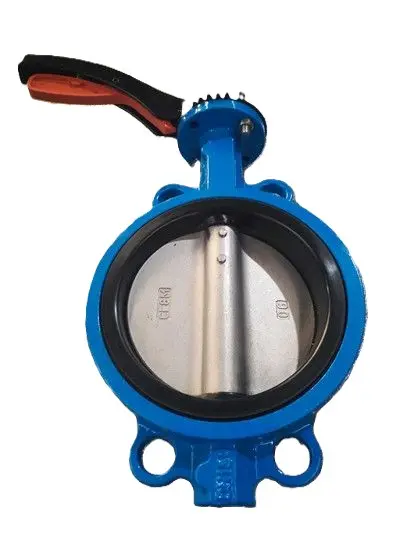
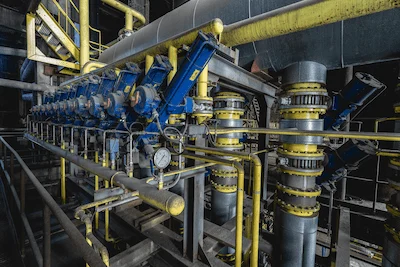
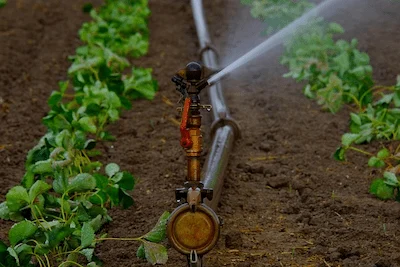
Valves are essential mechanical devices designed to control, regulate, or isolate the flow of liquids, gases, and slurries through piping systems. These critical components enable precise management of fluid processes across countless industrial applications. From simple manual shut-off valves to sophisticated control valves with smart automation, valve technology serves vital functions in oil & gas, water treatment, chemical processing, and power generation. This comprehensive guide explores valve types, operating principles, selection criteria, and their diverse applications in modern industry.
Valve Key Specifications
Proper valve selection requires understanding these critical parameters that determine performance in various applications.
| Specification | Description | Considerations |
|---|---|---|
| Pressure Rating | Maximum working pressure (Class 150 to Class 2500) | Must exceed system requirements with safety margin |
| Temperature Range | Minimum and maximum operating temperatures | Materials must withstand process conditions |
| Size | Nominal pipe size (NPS) from 1/8" to 72"+ | Must match connecting pipe dimensions |
| Material Compatibility | Resistance to fluid chemistry and environment | Prevents corrosion and material degradation |
| End Connection | Threaded, flanged, welded, or grooved | Must match piping system requirements |
| Flow Characteristics | Flow coefficient (Cv) and pressure drop | Affects system efficiency and control |
| Actuation Type | Manual, pneumatic, electric, or hydraulic | Determines operation method and speed |
| Sealing Method | Soft seat, metal-to-metal, or resilient | Affects shutoff capability and service life |
Valve Installation & Maintenance
Proper installation and maintenance practices ensure valves perform reliably throughout their service life.
Proper Alignment
Ensure pipes are properly aligned before valve installation.
- Warning: Misalignment causes stress and premature failure
- Tip: Use alignment clamps for flanged connections
Pressure Testing
Test installed valves to verify integrity before operation.
- Action: Follow all safety protocols during testing
- Tip: Test to 1.5x design pressure when possible
Regular Inspection
Check for leaks, corrosion, or mechanical damage.
- Warning: Small leaks can indicate seal failure
- Solution: Establish routine inspection schedule
Lubrication
Maintain moving parts according to manufacturer's schedule.
- Frequency: Quarterly for most manual valves
- Check for: Smooth operation and proper torque
Actuator Maintenance
Service automated valve actuators per specifications.
- Benefit: Ensures reliable operation when needed
- Safety First: Lock out power before servicing
Preventive Maintenance
Replace worn components before failure occurs.
- Action: Keep spare seals and gaskets for critical valves
- Note: Document all maintenance activities
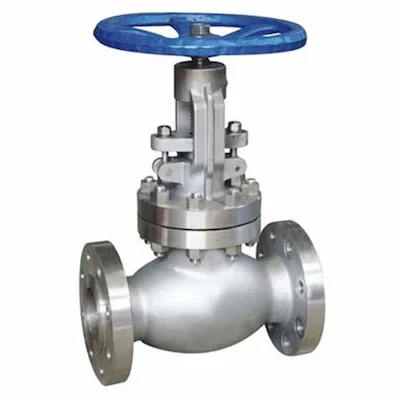
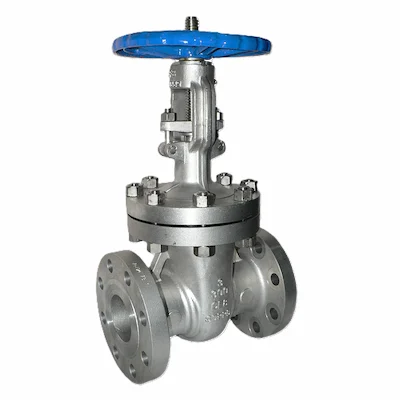
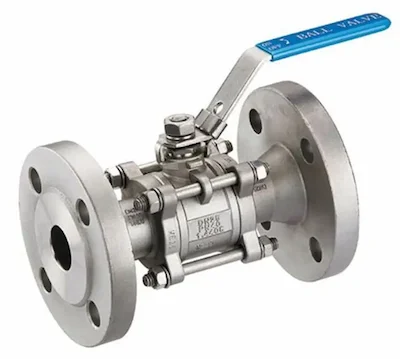
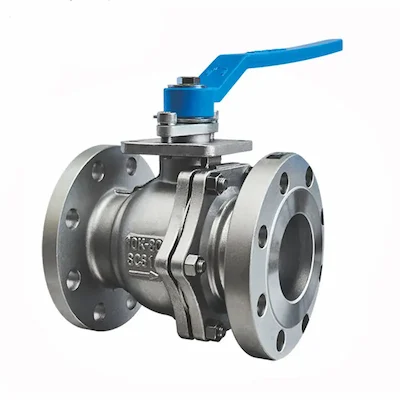
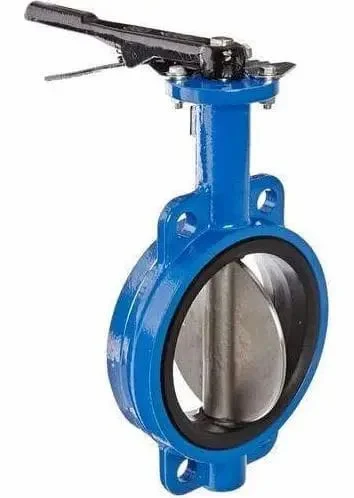
Valve Display
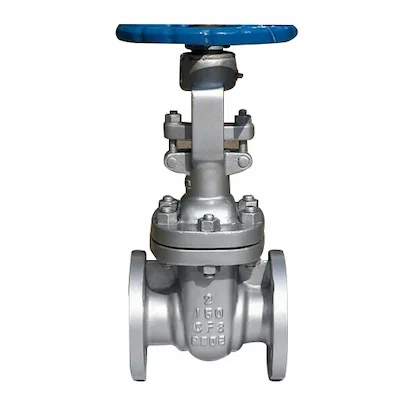
Common Valve Applications