Understanding Pipe Elbows in Piping Systems
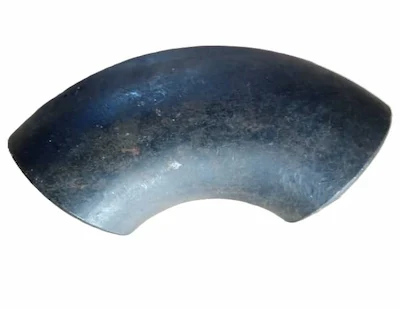
pipe elbows are essential fittings designed to change the direction of flow in piping systems, available in various angles, materials, and connection types. These crucial components allow piping networks to navigate around obstacles, follow building contours, and maintain efficient flow characteristics while minimizing pressure drop. From standard 90° and 45° elbows to specialized short-radius and reducing designs, pipe elbows serve critical functions in plumbing, HVAC, industrial processes, and more. This comprehensive guide explores pipe elbow types, materials, sizing considerations, installation methods, and their diverse applications across industries.
Pipe Elbow Key Specifications
Proper pipe elbow selection requires understanding these critical parameters that determine performance in piping systems.
| Specification | Description | Considerations |
|---|---|---|
| Angle | Direction change provided (90°, 45°, 22.5°, 180° return) | Determines flow direction change and space requirements |
| Diameter | Nominal pipe size (NPS) and schedule/wall thickness | Must match connecting pipe dimensions for proper fit |
| Radius | Centerline radius (Short Radius = 1xD, Long Radius = 1.5xD) | Affects flow characteristics and pressure drop |
| Pressure Rating | Maximum working pressure (PSI) at specified temperatures | Must exceed system requirements with safety margin |
| Connection Type | Butt weld, socket weld, threaded, flanged, grooved | Determines installation method and joint integrity |
| Material | Metal (carbon steel, stainless, etc.), plastic, or composite | Must be compatible with fluid and environment |
| End Preparation | Beveled (for welding), plain end, threaded, etc. | Must match joining method requirements |
| Weight | Physical weight of the fitting | Important for support requirements and handling |
Pipe Elbow Installation & Maintenance
Proper installation and maintenance practices ensure pipe elbows perform reliably throughout their service life.
Proper Alignment
Ensure pipes are properly aligned before welding or threading elbows to prevent stress on the fitting.
- Warning: Misalignment causes premature failure
- Tip: Use alignment clamps for welding
Welding Best Practices
Follow proper welding procedures for material type, including preheat and post-weld heat treatment when required.p>
- Action: Clean bevels thoroughly before welding
- Tip: Consider purge welding for stainless steel
Pressure Testing
Hydrotest or pneumatically test systems after installation to verify integrity of all fittings.
- Warning: Follow all safety protocols for pressure testing
- Solution: Test to 1.5x design pressure
Regular Inspection
Check for corrosion, erosion, leaks, or mechanical damage during routine maintenance.
- Frequency: Annually for most systems, more often for critical services
- Check for: Thinning, cracks, pitting, or deformation
Corrosion Protection
Apply appropriate coatings or cathodic protection for elbows in corrosive environments.
- Benefit: Extends service life in harsh conditions
- Safety First: Ensure compatibility with process fluids
Support & Anchoring
Properly support piping near elbows to prevent stress concentration and vibration damage.
- Action: Follow piping support span recommendations
- Note: Consider thermal expansion in support design
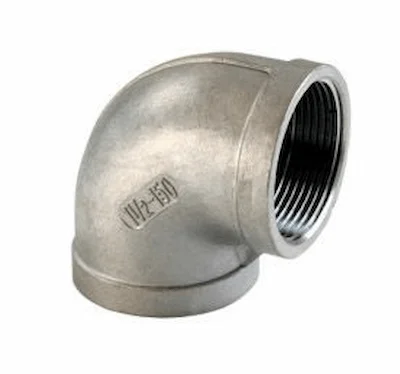
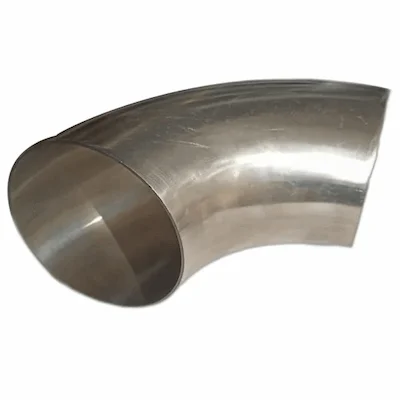
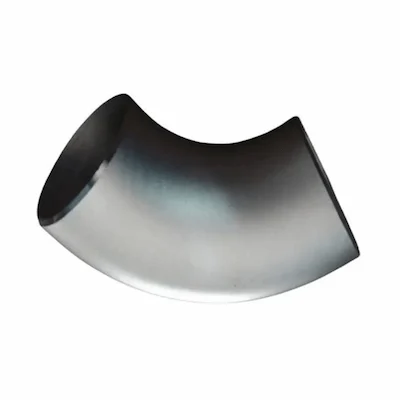
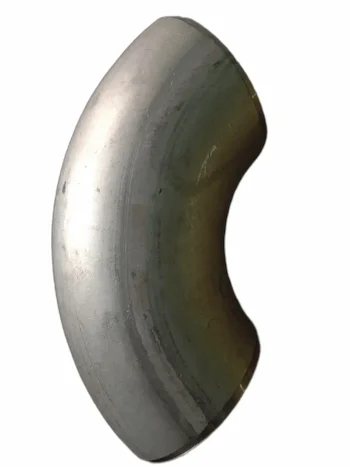
Elbow Display
Common Pipe Elbow Applications