Understanding PVC Pipes in Plumbing Systems
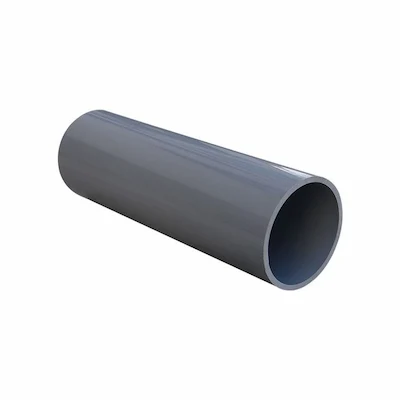
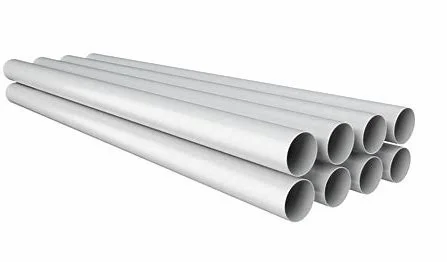
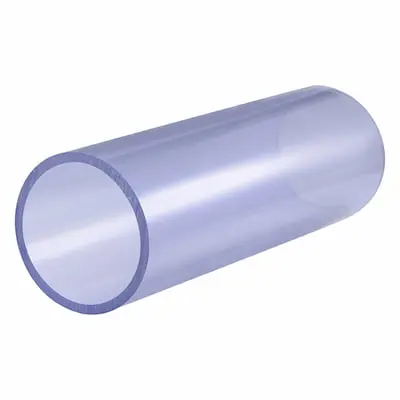
PVC pipes are essential components designed for fluid transport in modern plumbing systems, available in various sizes, schedules, and connection types. These durable plastic pipes allow water distribution networks to navigate around obstacles, follow building contours, and maintain efficient flow characteristics while resisting corrosion. From standard Schedule 40 to heavy-duty Schedule 80 designs, PVC pipes serve critical functions in residential plumbing, irrigation, drainage, and more. This comprehensive guide explores PVC pipe types, materials, sizing considerations, installation methods, and their diverse applications across industries.
PVC Pipe Key Specifications
Proper PVC pipe selection requires understanding these critical parameters that determine performance in plumbing systems.
| Specification | Description | Considerations |
|---|---|---|
| Diameter | Nominal pipe size (NPS) from 1/2" to 24" | Must match system requirements and flow rates |
| Schedule | Wall thickness (Schedule 40, 80, 120) | Determines pressure rating and durability |
| Pressure Rating | Maximum working pressure (PSI) at specified temperatures | Must exceed system requirements with safety margin |
| Connection Type | Solvent weld, threaded, gasketed, or push-fit | Determines installation method and joint integrity |
| Temperature Range | Typically 33°F to 140°F (0°C to 60°C) | Avoid freezing and high-temperature applications |
| Material Grade | PVC (Type I, II), CPVC, or specialty blends | Must be compatible with fluid and environment |
| Weight | Physical weight per linear foot | Important for support requirements and handling |
PVC Pipe Installation & Maintenance
Proper installation and maintenance practices ensure PVC pipes perform reliably throughout their service life.
Proper Cutting
Use PVC pipe cutters or fine-tooth saws to create clean, square cuts for optimal joint integrity.
- Warning: Ragged edges compromise solvent welds
- Tip: Deburr cut edges before joining
Solvent Welding
Follow proper solvent cement procedures including proper primer use and curing times.
- Action: Clean surfaces thoroughly before application
- Tip: Apply cement evenly to both pipe and fitting
Pressure Testing
Hydrotest systems after installation to verify integrity of all joints before putting into service.
- Warning: Follow all safety protocols for pressure testing
- Solution: Test to 1.5x design pressure
Regular Inspection
Check for leaks, cracks, or UV degradation during routine maintenance.
- Frequency: Annually for most systems
- Check for: Discoloration, brittleness, or joint failures
UV Protection
Paint or shield exposed PVC pipes from direct sunlight to prevent degradation.
- Benefit: Extends service life of outdoor pipes
- Use: Latex-based paints formulated for PVC
Support & Anchoring
Properly support PVC piping at recommended intervals to prevent sagging.
- Action: Follow manufacturer's support span recommendations
- Note: Account for thermal expansion in support design
PVC Display
Common PVC Pipe Applications